South Korea is Pissed, And It’s Because of AI
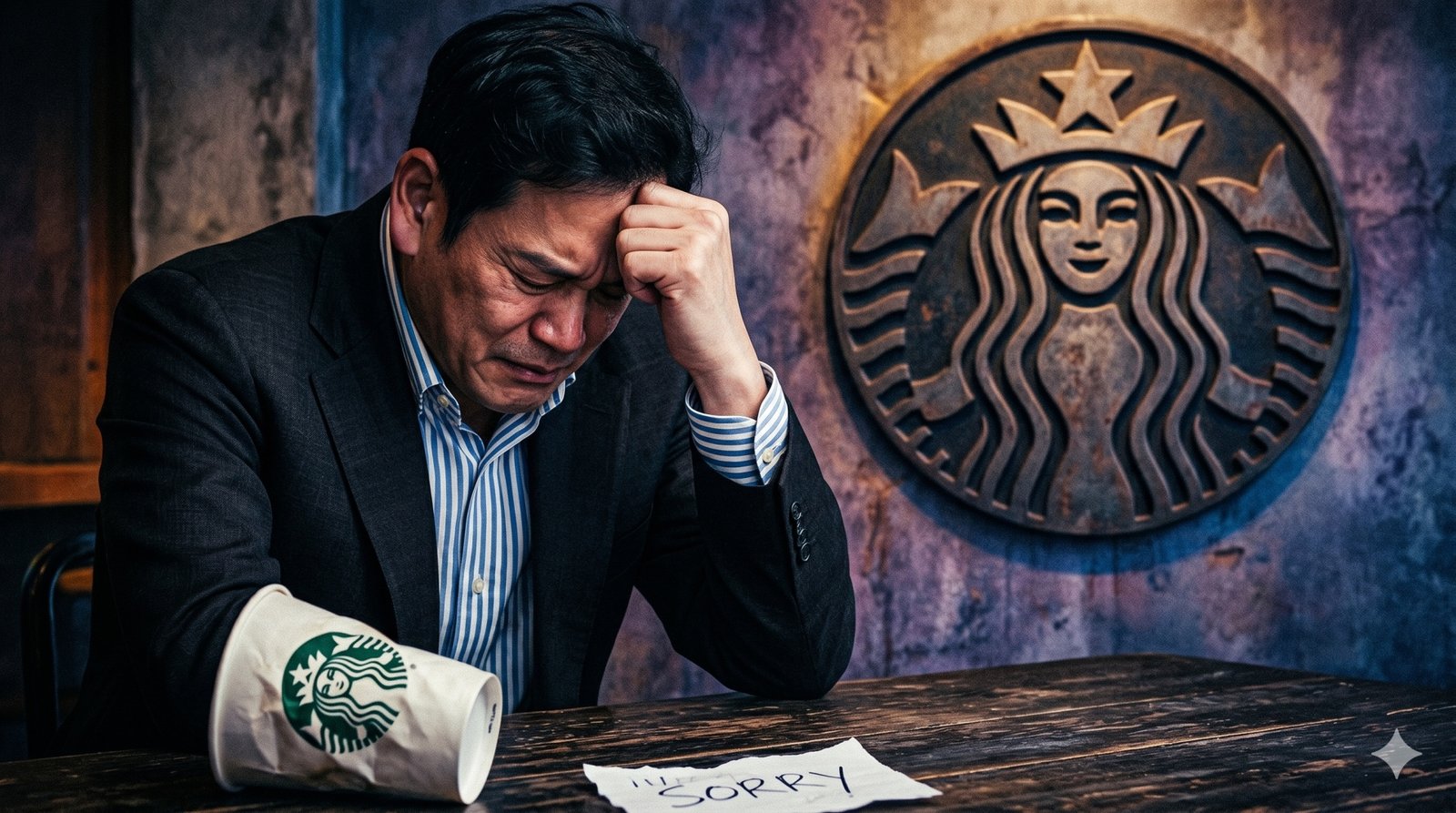
More specifically, the marketing team at Starbucks followed a suggestion thrown by AI that proved to be deeply insensitive to national sentiments. It’s a very live example of how irresponsible use of AI hurts public sentiment, erodes brand value and leads to losses. This is an important lesson for everyone, not just marketers.
Historical Context – Gwangju Uprising of 1980
The Gwangju Uprising, also known in South Korea as the May 18 Democratization Movement, was a major pro-democracy rebellion that took place in Gwangju from May 18 to May 27, 1980. It is widely regarded as a defining moment in South Korea’s long struggle toward modern democracy.
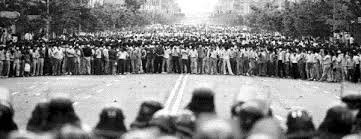
Official data (from the then military dictatorship) revealed upto 200 deaths. But civilian estimates put the deaths closer to 2,000. Though it was brutally repressed at the time, the massacre sparked a permanent undercurrent of political activism. It directly inspired the nation’s June Democratic Struggle of 1987, which successfully collapsed the military dictatorship and birthed South Korea’s modern system of open presidential elections.
In reference to what’s coming below, there is a notorious 1987 police statement that attempted to cover up the torture death of student activist Park Jong-chol. Authorities had falsely said Park died after investigators “hit the desk with a thwack.”
What Did Starbucks Do and What Happened
Starbucks is hugely popular in South Korea, with more than 2,000 stores in the not-very-big country. The country is globally Starbucks’ second or third biggest market.
In May, Starbucks decided to launch a new stainless-steel tumbler it called “SS Tank” because of its shape, supposedly to be able to store more liquid. They kept the launch day as May 18 (and they decided to call it “Tank Day”) which is the anniversary of the Gwangju Uprising of 1980. And, the slogan they chose is “thwack it on the table!”. How did everyone in Starbucks Korea sign off on this?
The backlash and public outrage was almost instant. Within 24 hours, Shinsegae Group, which operates Starbucks Korea under license, canceled the campaign within hours and fired Starbucks Korea’s CEO.
Shinsegae Chairman Chung Yong-jin has public apologised twice, including bowing three times at a press conference to show how sorry he is. Side note – he’s a billionaire with ties to the Trump Family, and has attended Trump’s inauguration in 2025.
Shinsegae Group also ordered that all Starbucks staff all over the country will attend a “cultural awareness and sensitivity training” over half a day on on June 22. The decision to close all stores early (for this training) is a first since Starbucks launched in South Korea in 1999. The half-day closure is expected to cost Starbucks an estimated 2.1 billion won ($1.4 million) in lost sales, according to data firm IGAWorks.
Where AI Was Used
The campaign and slogan was a suggestion by AI. But the problem is not that, the problem is that it was green-lighted by Marketing and all other executives at Starbucks.
To the extent that an initial investigation in Korea found that this campaign’s outrage was “not deliberate”. But the campaign was clearly deliberate. Everyone in Starbucks that had to review it, clearly approved it!
The lesson is this – you can use AI, but you cannot fully remove the human element. Especially for something at scale. And the human needs to take accountability for AI’s actions.
Share with a friend and tell me what they think.
Leave a Reply