Tech Has Always Been Political
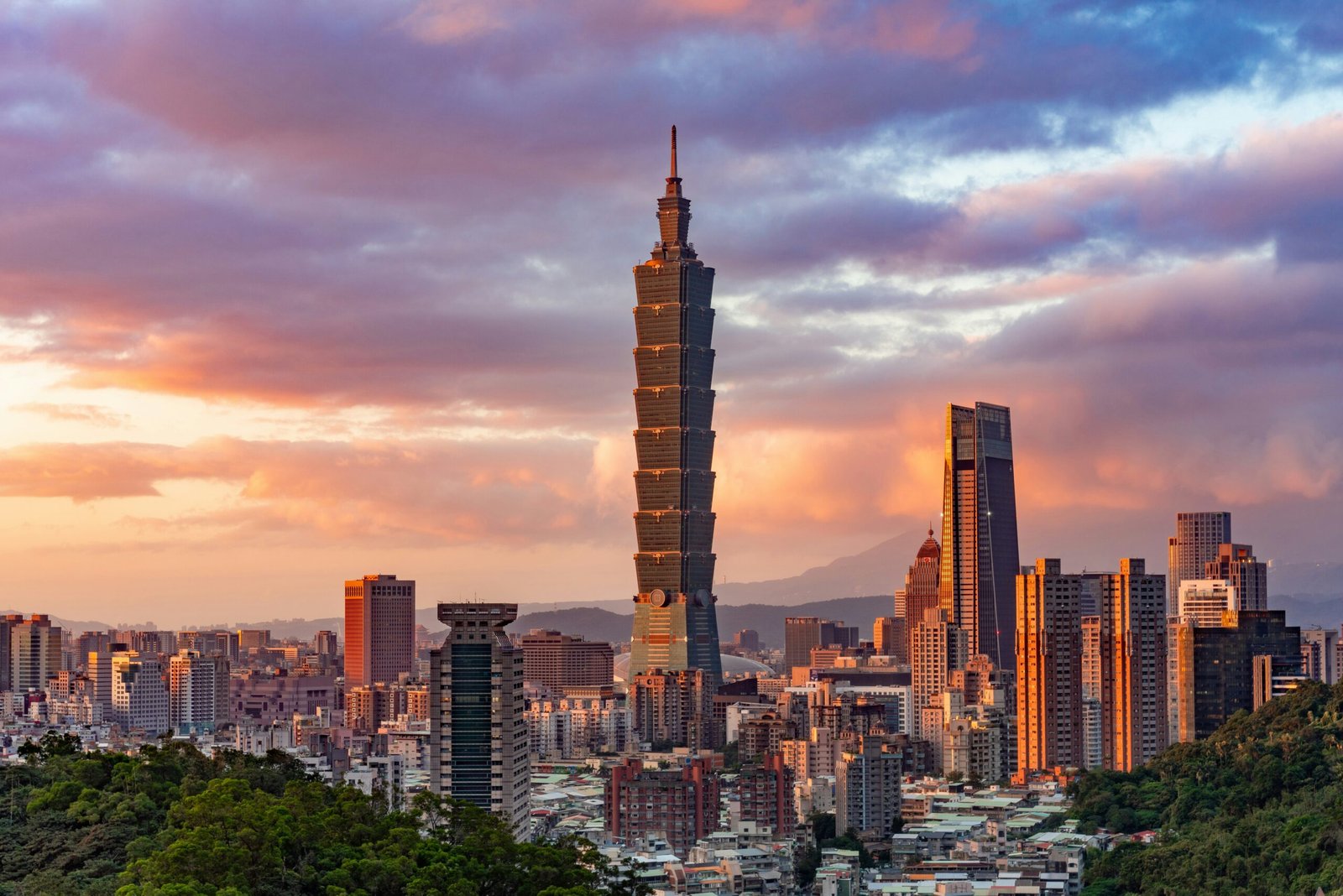
Now it’s political AF. This post compresses decades of tech-politics history into a shot thought burst. I’m using Taiwan as an example, and then I’ll talk about Israel.
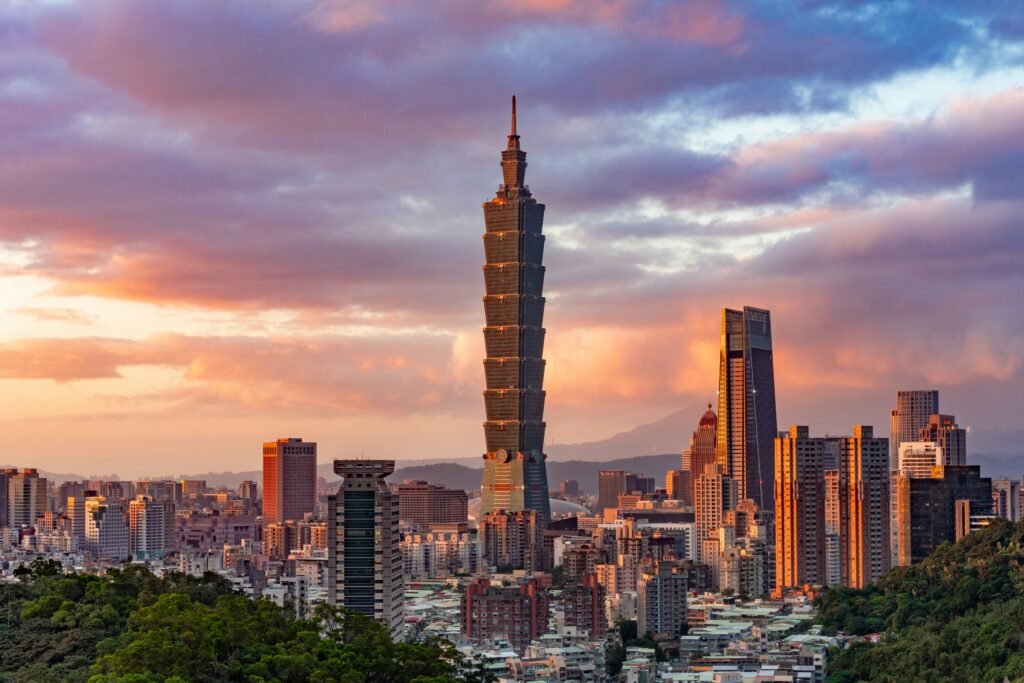
The Taiwan Example
Quick context on why this is a great “tech meets politics” example. In the early 50’s, Chiang Kai-shek fled Mao’s China to Taiwan and setup his republic there. Till date, Taiwan is not an independent nation recognized by the UN. They participate in the Olympics as “Republic of China”. They have their own flag and Government, but arguably not their own “national identity”.
In the 1980s, a number of tech bros from the US and China (who had moved there initially from Taiwan) moved back to Taiwan to support the new Government’s development schemes for mega projects (read more here if interested). One of them was a project to setup a foundry to develop what was a nascent industry – semiconductors. This was called the Taiwan Semiconductor Manufacturing Company (TSMC). The rest, as they say, is tech history.
Now, while Taiwan does not even have “separate nation” status at the United Nations, it is obvious why the US so “fond” of Taiwan. Though there has been no concrete actions to support Taiwan’s ambitions for separate-country-ship, which arguably the vast majority of Taiwanese are not too fussed about. TSMC still produces the biggest chunk of the world’s semiconductors.
No doubt Taiwan should be lauded for its rapid advancement – which pre-dates China’s unprecedented growth in recent times. The thorn in Taiwan’s flesh is being in the middle of a battle of supremacy between the US and Taiwan, literally being used as a pawn in this very complicated chess game.
The China Example
One would be forgiven for thinking that American companies still don’t want to do business in and with China. After all, the entire country blocked Google and Facebook.
But everyone knows now that for the longest time, iPhones were (and still are) made in China. Teslas too. Just see this video of Tim Cook:
So you will not see the US trying to strong arm China anytime soon. And it’s why at some point (I believe) the US will completely back down from the Taiwan issue.
Why India is Not A Pawn
Because India is very much its own country, a distinct national identity and clearly defined strategic pillars (which keep changing no doubt). Our decision making is largely autonomous and is meant to be in the interest of the Indian people. Our governance does not depend on anyone else.
If the last few months has been any indication, it’s that India is a massive market for Big Tech who are rushing to secure a piece of the rich Indian pie. AI and semiconductors are no different.
So What Happened When PM Modi Went to Israel?
A lot of positive and negative reactions, no doubt.
One bit of announcement that was made – as if on the side – is that UPI will now work in Israel (more of that in my next TWITI episode – stay tuned). It’s got obvious benefits for Indians traveling to Israel or doing business with Israeli firms (pressing political and humanitarian considerations aside).
This did not require a State visit, but the announcement coincided handsomely with it. It’s tagged to being on good diplomatic terms, that as long as the countries “support each other’s ambitions”, their people can do business with each other. And tech will make it easier to do so.
Next thing you know, AliExpress and TikTok will be re-allowed in India.
[…] an international level, tech has always been political. It’s why Taiwan has been fed false promises in exchange for continuing its chip production […]