This Week in Tech India #52 of 2025

Wow, TWITI #52 of 2025. That’s the last TWITI of this year! And what a year it has been – I started this website, my YouTube Channel and other social media channels (find me on IG and Threads @Tech_In_form) and the encouragement and support I have got from all of you is incredible. I am a one-man team content creator with the only aim of making more Indians stay informed about tech in India, and I have a ZERO budget and have not spent a dime promoting any of my content.
All organic. All without spending a single rupee to promote any of my content.
I watched my view count grow gradually from tens to thousands of views, the number of visitors to this website increase and my follower / subscriber counts – while nowhere near the likes of big content creation houses – grow steadily.
I am grateful to each and every one of you. Thank you!

More good stuff to come in 2026. Starting with this – MY PODCAST!

That’s my gratitude post for this year. Now, this week’s TWITI.
Even though it’s pretty much the last week of the year, this week brought a flurry of announcements that showcase India’s growing prowess in both hardware production and software innovation. From global giants setting up manufacturing facilities to homegrown startups breaking new ground in aerospace and medical technology, India’s journey towards becoming a global tech powerhouse is gaining momentum. Let’s get into it.
I’ve grouped it by categories so it’s more easy to follow.
Gig-worker Platforms
Gig Workers to Strike on 31st December 2025
Delivery partners working with platforms like Zomato, Swiggy and Instamart are planning to go on strike on 31 December 2025 to protest pay structures and working conditions. Many gig workers say incentives have fallen while fuel and living costs have gone up, making it harder to earn a stable income. They are also demanding better insurance, clearer policies around deactivations and more transparency in how payouts are calculated. If the strike goes ahead, users in several Indian cities could see slower deliveries or limited availability on New Year’s Eve, a peak demand day for food delivery and quick commerce in India.
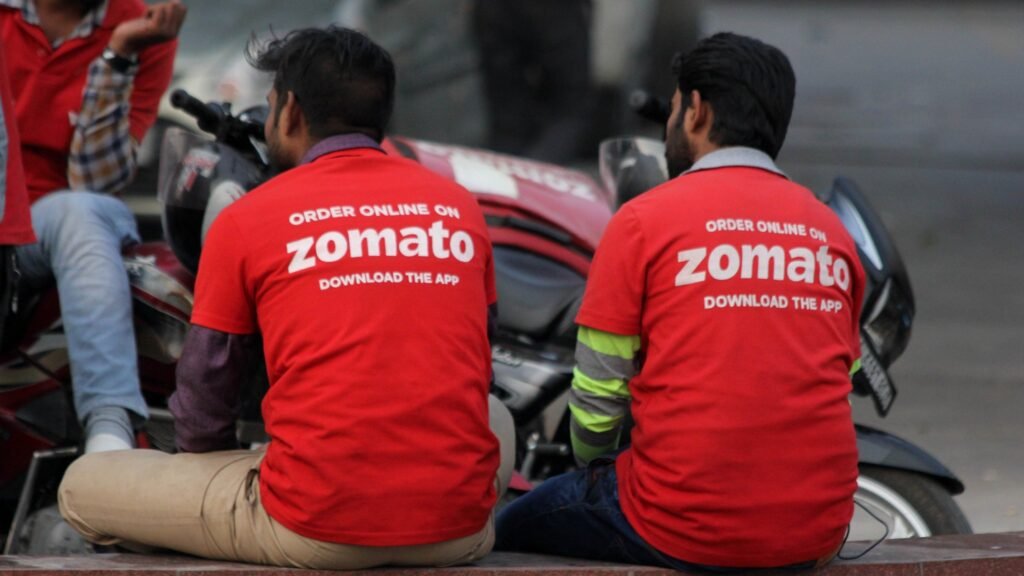
Important to note: delivery partners are not in direct employment with Zomato, Swiggy, and similar platforms. These companies classify their delivery personnel as “independent contractors” or “delivery partners” rather than employees. Clearly this is done on purpose.
The contractual relationship is governed by electronic agreements that delivery partners accept through the app by clicking an “Accept” button. These contracts specify service delivery terms, payment structures, operating procedures, and performance metrics. However, by classifying workers as independent contractors, platforms avoid traditional employment obligations such as provident fund, gratuity, or employee insurance benefits.
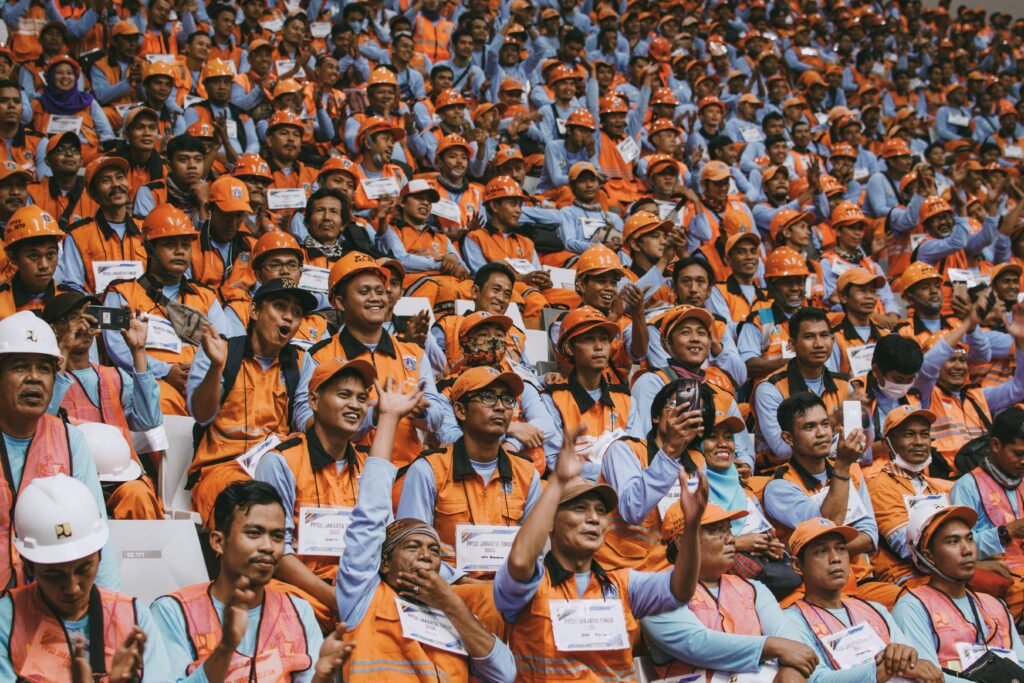
The good thing now for these gig workers – India’s newly implemented Labour Codes, particularly the Code on Social Security 2020, have now formally recognized gig workers and mandated that platforms contribute 1-2% of their annual revenue to a government-managed social security fund. This marks a significant shift, as platforms can no longer simply view delivery partners as independent contractors without any social security responsibilities. Despite this legal recognition, the implementation remains murky—the exact benefits, access mechanisms, and distribution timelines are still unclear, with concerns that meaningful protections may take years to materialize.
Hope this is resolved soon. More power to gig workers, more power to unions.
Zomato Partners with Amazon Pay for Customer “Rewards“
Zomato entered a strategic partnership with Amazon Pay to offer assured rewards on every food order. Customers paying via Amazon Pay Balance receive 3% Zomato Money on weekday orders (Monday-Friday) and 5% on weekend orders (Saturday-Sunday). The earned Zomato Money can be used across the platform for future purchases. This collaboration aims to deepen customer engagement and strengthen repeat usage through a fresh incentive layer.
At this point I feel that we are spoiled for choice when it comes to paying for services.
Swiggy Instamart Opens Experimental Physical Store
Swiggy’s quick commerce arm Instamart has opened its first physical experiential store in Gurugram at M3M 65th Avenue. The store operates as a small-format outlet with a limited selection of 100 to 200 products, focusing primarily on fresh produce and items where customers prefer physical inspection before purchase. Unlike typical Instamart orders, purchases at this outlet are made through walk-in transactions rather than the app. Payments route directly to sellers instead of going through Swiggy’s commission structure, marking an experimental shift in the company’s business model.
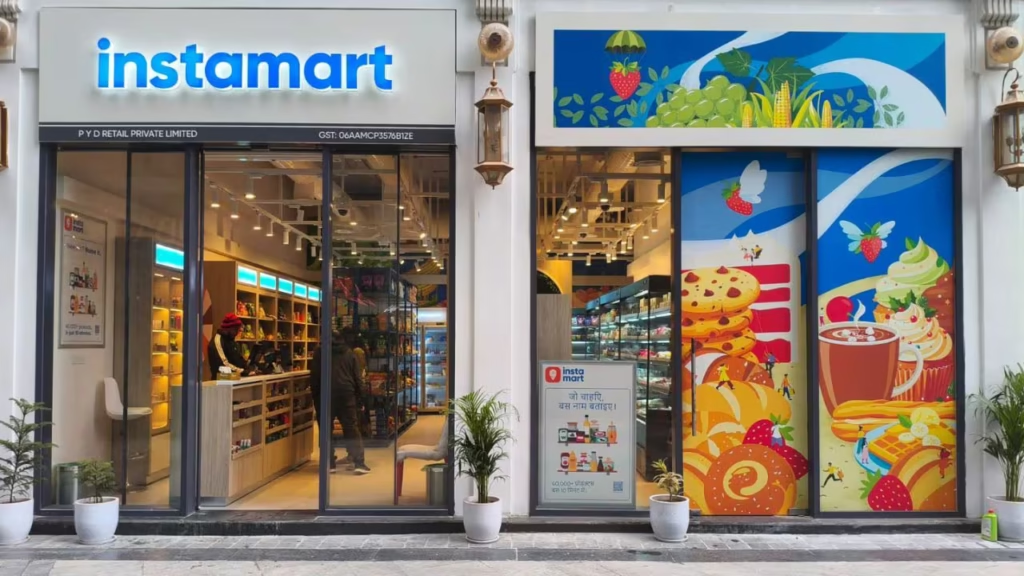
There’s one thing to note – if you look closely at the image, under the instamart branding you will see “P Y D Retail Pvt. Ltd.”. That’s because P Y D Retail Pvt Ltd is a third-party retail solutions and supply chain logistics company that manages the physical operations, inventory, and staffing of the store. Instamart provides the branding.
Rapido Experiences Nationwide Service Outage
Ride-hailing platform Rapido faced a widespread outage that left users unable to book rides across multiple major Indian cities including Bengaluru, Chennai, Mumbai, Lucknow, and Raipur. Users reported error messages stating “Oops! Something went wrong” when attempting to access the app. The company did not immediately issue an official statement explaining the cause or providing a restoration timeline.

Probably some AWS shortage-like event. In my controversial view, every ride hailing and food delivery platform should be forced to cease operations for one day every quarter, just to remind us of how dependent we have become on these platforms.
New Cab Aggregator Guidelines Mandate Gender Choice Options
The Ministry of Road Transport and Highways (MoRTH) issued fresh amendments to the Motor Vehicles Aggregators Guidelines, 2025, requiring cab platforms to enable passengers to choose drivers of the same gender where available. The guidelines specifically include an option for female passengers to select female drivers. Additionally, aggregators must enable voluntary tipping for drivers only after journey completion, with the entire tip amount credited to drivers without deductions. While this might be well intentioned, industry executives noted that with women comprising less than 5% of drivers, implementing same-gender ride options presents significant operational challenges.
Urban Company Receives Rs 56 Crore GST Notice

Hyperlocal services platform Urban Company received a GST demand and penalty notice totaling Rs 56.4 crore from Maharashtra tax authorities. The notice covers the period from April 2021 to March 2025 and includes Rs 51.3 crore in unpaid GST plus a Rs 5.13 crore penalty. The dispute centers on the interpretation of housekeeping services under Section 9(5) of the CGST Act, with authorities asserting that the definition extends to appliance repair, servicing, and painting services. Urban Company plans to appeal the order, expressing confidence in its case based on legal and tax expert advice.
Manufacturing
Gigabyte Begins Manufacturing Operations in India
Gigabyte has officially started local production in India through a contract manufacturing partnership. Ask any PC bro, they’ll tell you that Gigabyte is a massive deal! The Taiwan-based tech giant initially focuses on motherboard manufacturing with plans to expand into monitors and laptops soon. This move aligns with the government’s ‘Make in India’ initiative and marks a significant milestone in reducing import dependence for computer hardware. The strategic expansion strengthens Gigabyte’s position in the Indian market while improving product availability for consumers.
Foxconn Rapidly Scales iPhone Production Near Bangalore
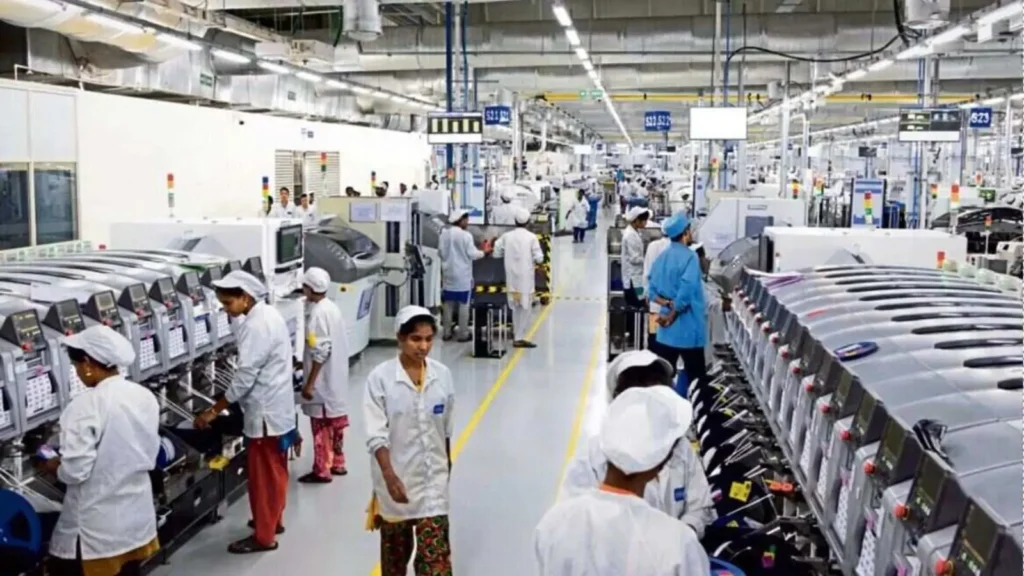
Foxconn reportedly hired approximately 30,000 workers at its new women-led iPhone manufacturing facility in Devanahalli near Bangalore within just eight to nine months. This represents the fastest workforce ramp-up by any factory in India to date. Women comprise around 80% of the workforce at the 300-acre facility, which began trial production in April-May 2025 and now manufactures iPhone 17 Pro Max models. The facility is expected to employ up to 50,000 workers at peak capacity and surpass Foxconn’s existing Tamil Nadu plant.
Tata Motors Plans Dedicated Premium EV Brand Launch
Tata Motors announced that it will launch Avinya, its first standalone premium electric vehicle brand, by the end of 2026. Avinya will be positioned as a separate brand with dedicated sales and service infrastructure, potentially using a phygital (physical + digital) retail model. The launch forms part of Tata’s broader EV roadmap that includes five new electric nameplates by FY2030, starting with Sierra.ev and an updated Punch.ev in early 2026. All of this of course is useless without good charging infrastructure. Well, Tata plans to expand its charging network to one million charging points by 2030, including 100,000 public chargers.

VoxelGrids Develops India’s First Indigenous MRI Scanner
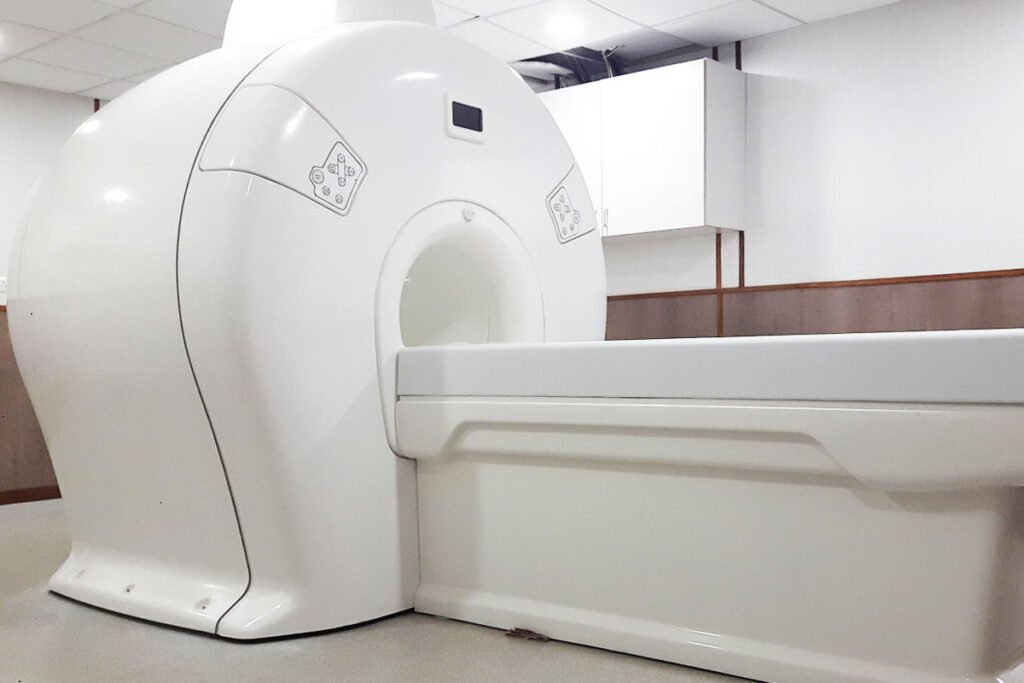
VoxelGrids, a Zoho-backed startup, successfully built India’s first indigenous Magnetic Resonance Imaging (MRI) scanner. The 1.5 tesla scanner has been deployed at Chandrapur Cancer Care Foundation and features technological advancements including the absence of liquid helium. This makes it approximately 40% cheaper to build than imported models. VoxelGrids offers innovative pay-per-use models to improve accessibility for smaller hospitals and plans a commercial launch by fiscal year-end with manufacturing capacity of 20-25 scanners annually.
Skyroot Aerospace Inaugurates India’s Largest Rocket Factory
Skyroot Aerospace inaugurated its Infinity Campus in Hyderabad (which was teased earlier – see TWITI #48 of 2025), spanning 200,000 square feet and capable of producing one rocket per month. The facility employs nearly 1,000 people working in three shifts around the clock to develop the Vikram-I rocket. Three Vikram-I vehicles are currently under development simultaneously, with the first rocket’s parts already moved to Sriharikota for maiden launch preparations. Final integration and stacking will be completed within two months, marking a pivotal moment for India’s private space sector.

Not to be confused – this has nothing to do with the more recent news of the ISRO launching its heaviest satellite yet into space a few days ago. Congratulations to the ISRO for this important achievement for space tech in India.
Financial Services
Paytm Expands International Operations
Paytm has established new subsidiaries in Indonesia and Luxembourg while securing strategic investment in its UAE unit from Abbar Global Opportunities Holdings. The fintech giant plans to invest up to Rs 25 crore in each of the two new subsidiaries. These entities will focus on expanding Paytm’s technology-led merchant payments and financial services through local licenses, partnerships, and organic growth. The move signals Paytm’s aggressive international expansion strategy, perhaps following regulatory challenges in India.
Mswipe Receives Full Payment Aggregator License
Mumbai-based fintech Mswipe Technologies secured the final payment aggregator license from the Reserve Bank of India for both online and physical payment channels. The approval allows Mswipe to onboard merchants directly and aggregate different payment instruments under a single regulatory framework. The company can now process payments across websites, mobile apps, and physical stores while expanding services to include cross-border transactions. This approval comes more than two years after receiving in-principle approval in August 2022.
PayNearby Gains NPCI Approval as UPI Third-Party Provider
Fintech startup PayNearby received approval from the National Payments Corporation of India to operate as a Third-Party Application Provider on UPI. Following the approval, PayNearby launched the PayNearby Saathi app for assisted UPI onboarding through its retail network in semi-urban and rural areas. The platform will be rolled out via PayNearby’s network of over 12 lakh retail partners and Digital Naaris (a woman micro-entrepreneur who is part of PayNearby’s Digital Naari program) across more than 20,000 PIN codes. The company plans to add micro-insurance and lending products to the platform over time.

Others
Google Launches Emergency Location Services Across India
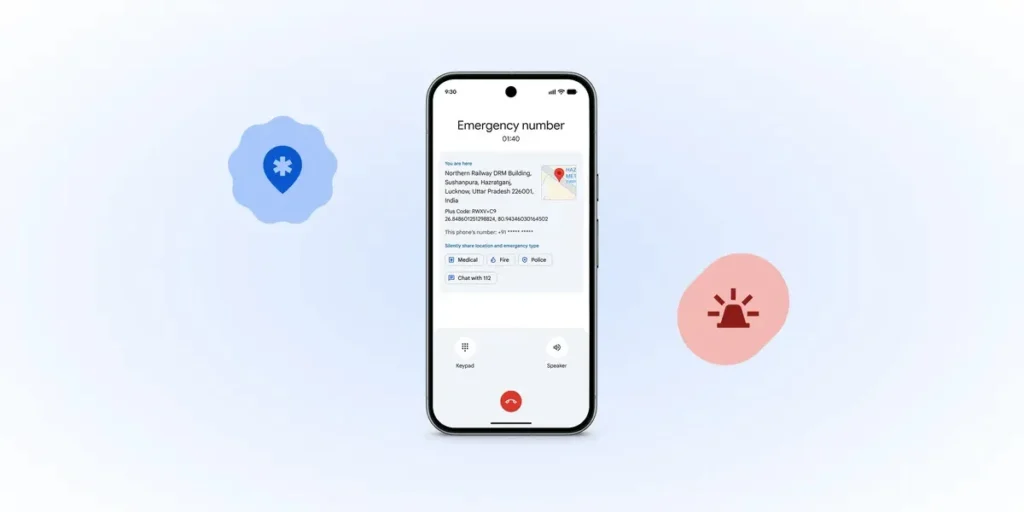
Google activated its Emergency Location Service (ELS) feature for Android devices in India, enabling users to share precise location information when calling or texting emergency service providers. Uttar Pradesh became the first state to operationalize ELS for Android devices. The service gathers data from GPS, Wi-Fi, and cellular networks to determine location with accuracy up to 50 meters. This feature works on Android 6 and newer versions, though it requires state authorities to integrate the service with their emergency response systems.
BSNL Shuts Down 3G Services Nationwide
Depending on where you ask, BSNL is either the third or fourth favorite telco provider of the nation. Lol. Anyway.
Bharat Sanchar Nigam Limited (BSNL) is finally shutting down its 3G mobile services across India to focus resources on 4G network expansion. The state-owned telecom operator will also terminate annual maintenance contracts with vendors like Nokia and ZTE for 3G infrastructure. BSNL has currently installed 97,481 4G towers across the country and authorized circle heads to shut down 3G services wherever feasible. This strategic shift aims to reduce costs and improve service quality as BSNL focuses on modernizing its network.
AI startup Yellow.ai Reduces Workforce Amid Automation Push

Conversational AI startup Yellow.ai laid off over 100 employees in recent weeks, representing approximately 30% of its workforce. The layoffs were carried out in multiple phases and primarily affected engineering and product teams. The company stated that these workforce adjustments were necessary as part of its transition from conversational AI to an agentic AI platform, which requires fewer people to build, implement, and support. Yellow.ai explained that the technology shift has fundamentally changed both customer usage patterns and internal development processes.
Income Tax Department’s Digital Access Powers Clarified
A viral claim suggesting the Income Tax Department will gain sweeping access to citizens’ social media and emails from April 1, 2026, has been debunked as misleading by the government’s PIB Fact Check team. The provisions under Section 247 of the Income Tax Act, 2025, are strictly limited to formal search and survey operations conducted when there is evidence of significant tax evasion. This means that the Government first needs to find evidence – not suspicion – of significant tax evasion before they search your social media. Law-abiding taxpayers will not be affected, and the department cannot access private digital platforms for routine assessments or scrutiny cases.
Still, this bit of slightly-fake news led to some good memes.
As we close 2025, this week’s developments underscore just how transformative this year has been for tech in India. From manufacturing scale-ups by global giants like Foxconn and Gigabyte to indigenous innovations in space technology and medical equipment, India is rapidly cementing its position in the global tech landscape. Or as I say, moving towards global tech dominance.
The expansion of digital payment infrastructure, the evolution of quick commerce (or moving closer to the bubble-bursting), and the growth of India’s space and drone industries all point to one clear reality: India is no longer just participating in the global tech race—it’s increasingly setting the pace.
As we step into 2026, the foundation laid this year positions India to play an even more dominant role in shaping the future of global technology.
Wishing you all a very happy holidays and happy 2026. Here’s to an exciting year ahead for tech in India!
[…] earlier this year, especially relevant is the code 2020 that is to do with social security (see last week’s TWITI). Sadly that code hasn’t been fully implemented yet, and unless Goyal is taken to task […]