
 By Erick
 My friends – and some of you (okay, you are also my friend <3) – have asked me what’s the one non-AI tip for avid internet users in 2026.
Well, in 2026 I’ll give you the same tip (whether AI or non-AI, whether avid or basic internet user) I have been giving for the last 10 years. And that’s, use a f***ing VPN.
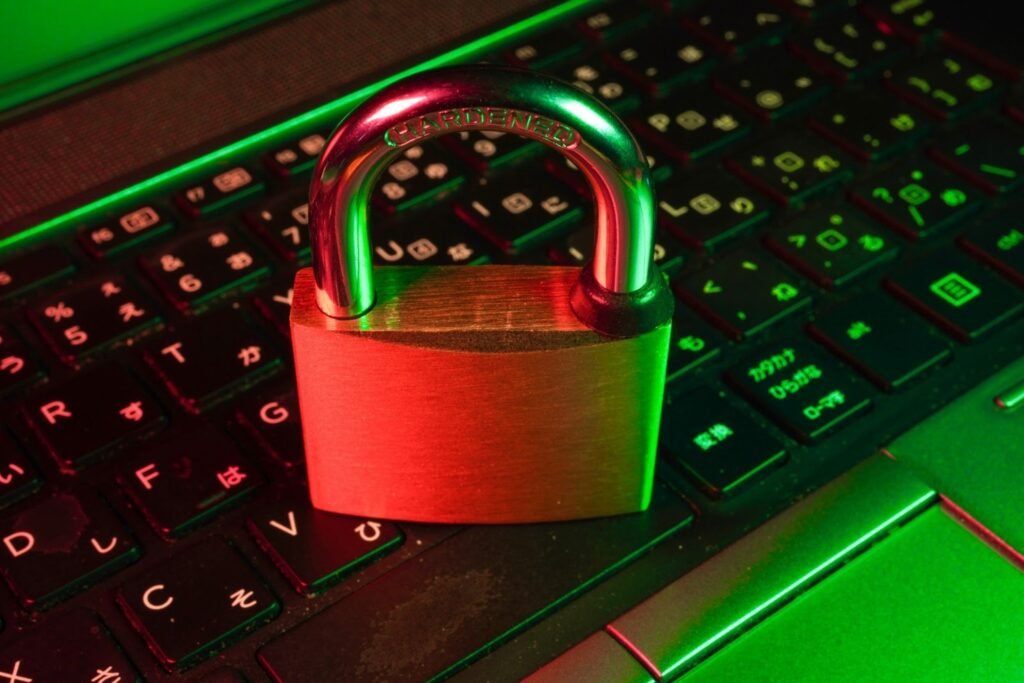
Seriously, this is the simplest thing you can do to navigate the web more securely.
VPNs (which stand for Virtual Private Network(s)) have been around for more than two decades, and are widely popular with medium and large size corporates. Especially since COVID times, when more companies needed to have employees able to connect to the company’s intranet securely over the world wide web.
And that’s basically what a VPN is – think of it as a “secure tunnel” where data flows from one point to another via the internet, but in a way that is not visible or easily intercepted by external forces like other websites or your internet service provider.
What a VPN won’t do
Let’s get this out of the way so that you know what you need to pay for (or not):
- Block viruses / malware: which you may get by clicking on spurious links or downloading attachments from emails you receive from people you don’t know. If you still do this then no technology or service can save you.
- Block voluntary data sharing: for example, even with a VPN on facebook can still track your activity on their platforms (duh!)
- Prevent cookies: a VPN will mask your IP, but won’t stop websites from placing a cookie on your browser. That’s why you should hesitate before clicking “Accept All Cookies” when you visit a website for the first time, and you should clear your browser’s cookies time and again.
What a VPN will do
If nothing else has convinced you to get a legitimate VPN, these five reasons should.
Privacy:
Your internet service provider (ISP) can track everything you do on the web. Everything, whether it’s legal or not. Don’t get ideas, But with a VPN, your ISP will only see that you’re connected to a VPN, and nothing more.
I know many of you are thinking “I visit only legitimate websites and my browsing patterns are nothing shocking” okay but even if that’s 100% true, do you really want the ISP to view every website you visit? Because if nothing else, ISPs can easily use your browsing patterns to target ads to you. And this would, among other things, naturally make you spend money for things you don’t need.
Security:
Especially on a public wi-fi, i.e. at an airport, restaurant or library. There are an insane number of cybersecurity attacks that actually happen because of public wi-fi – which, when you’re connected without a VPN, puts you at risk of packet sniffing or man-in-the-middle attacks where bad actors can intercept your data easily because they are on the same network. A VPN will encrypt your data and a good VPN will not lower internet speeds, which is an impression we all have.
Streaming / Content Options:
VPNs actually became more popular because of this facet of streaming services – that certain shows can be shown only to certain territories or countries. I still remember my boss telling me in 2014 – he uses a VPN to stay connected to the UK’s network to watch the same shows his family watches back home. He is a champion of information security, by the way.
If you haven’t done this yet, here’s a fun experiment – stay logged in to Netflix (if you are already subscribed) and open the app after connecting to a different country on your VPN.
Preventing bandwidth throttling:
Many people are shocked to know that some ISPs intentionally slow own your internet connection when they detect high bandwidth activities like gaming or streaming. This is why sometimes your internet speed on speedtest.net shows that it’s great, but your online game takes too long to load. A VPN hides your browsing activity from your ISP and hence bandwidth throttling is ruled out.
Protection from Tracking and Targeted Ads:
Your ISP is not the only one that builds a profile of you to target ads and make you buy things you don’t need. There are many websites out there that still use your IP – not your profile where you consent to data sharing, but your IP – to build a profile of you to target you ads. A VPN masks your IP, making it nearly impossible for such websites to profile you.
A lot of people think that MacOS users don’t need VPN. It is true that Windows collects more of your data (because, you know, Microsoft) but that doesn’t mean your data is protected if you use a Mac. That’s because the Mac provides enhanced privacy only for your data that’s on the machine, and once it goes out of the Mac (which is almost always happening when you use the internet) that Mac can’t offer that enhanced privacy advantage.
I found the best VPN Provider for you
Admittedly, most VPN services out there are not 100% reliable (like many of you, I have been burned by many VPN providers in the past). And the ‘good’ ones are overpriced.
Then there’s the fact that several VPN providers – including the famous ExpressVPN – are owned by the same company. This company is Kape Technologies and has significant ties to Israel, whose Government is known for extensively monitoring the browsing patterns and internet usage of ordinary citizens across the globe, not just in Israel.
Luckily, I did the research and can recommend PureVPN for all your VPN needs. PureVPN has been around for some time and has more than 3 millions users today. They have 24×7 online support and are so confident you’ll be satisfied that they have a 31-day money back guarantee. And luckily, they agreed to provide my friends (yes, like I said you are my friend <3) incredible offers. Use this link for upto 85% off the best VPN provider!
Fun fact: did you know that the person credited with developing the VPN protocol is a Microsoft employee in 1996 named Gurdeep Singh-Pall? And it was created so that Microsoft employees could – wait for it – work from home while protecting the company’s data.

Disclosure: the link to PureVPN above is an affiliate link, which means that if you make a purchase on PureVPN through the link I may be supported through affiliate income. This is no way affects my independence and objectivity in writing about tech and giving you the information and insight you need to stay informed. Read my ethics policy for more.