
 By Erick
 In case you missed it in my earlier posts, I live and work in Qatar. I fall under the “NRI” category that makes your aunties intrigued, your cousins uninterested and your nephew/niece thinking I’m an alien.
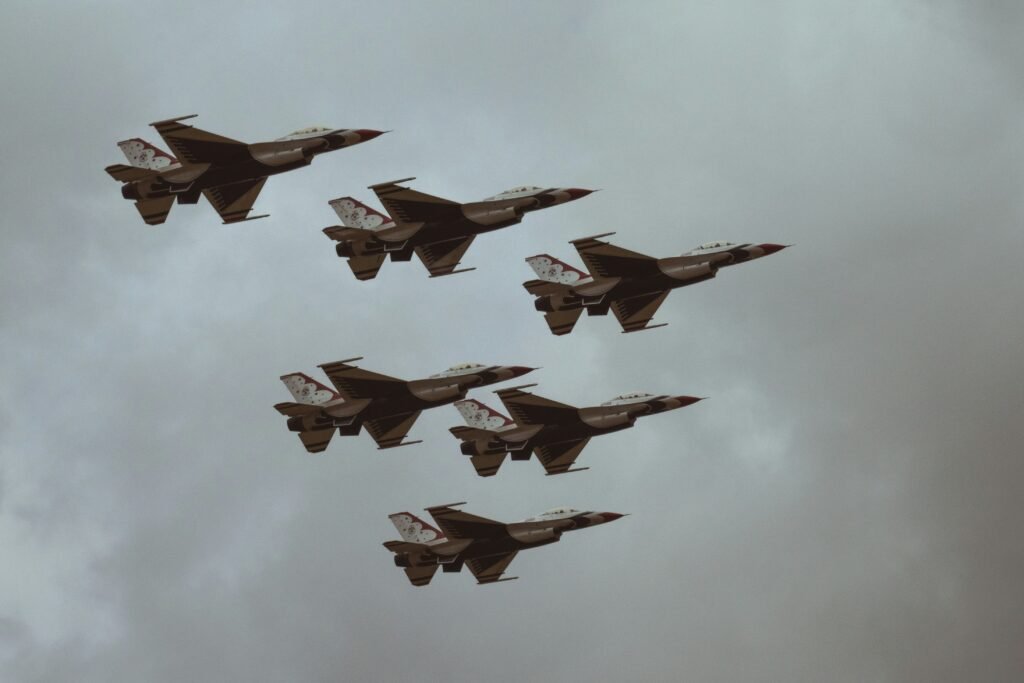
A few days back, the US and Israel launched a war against Iran, which means that the US military bases in the Gulf territories are targets of the Iranian forces. And Qatar has one of the largest bases in the world.
Residents of Qatar like me are witness to missiles flying over our heads, sometimes being intercepted in full view. The sound of distant explosions is not uncommon now and every day brings reports of infrastructure damaged by missiles or drones that made it past the local air defense system.

This post is about the tech that keeps not only us safe, but also our loved ones back home assured that we are safe.
I am Grateful
Firstly, let me acknowledge that I am still blessed. Technically, we (my wife and I along with our cats and dogs) are in a war zone, but we are comfortable at home with food and water and internet and everything required to live comfortably. The State of Qatar has done a tremendous job of keeping civilians safe and supplies stocked.
This is probably nothing compared with what many others have been through in a conflict zone. I shudder to image what civilians in Kashmir went through during Operation Sindoor (or the Kargil war). And what innocent people in Gaza, the West Bank, Sudan, Congo, and other conflict-ridden areas go through on a daily basis.
Story: my wife was checking on her friend who lives in the West Bank (Palestine) asking if she heard or saw the Iranian missiles on their way to Tel Aviv. And if she was okay. She said she’s fine – for her it’s life as usual. The way the sounds of distant explosions raise anxiety in us, for them and their community it’s commonplace to be a few meters away from a conflict / oppression zone. What I’m saying is, count your blessings.
The concern is more about making sure my family members know we are safe. My parents live alone in Mumbai, and my in-laws in the Northeast of Vietnam. Our friends are scattered all over the globe – from Australia to London to Canada. And we let them all know we are okay. Atleast the ones who check in on us.
Simple Tech to Survive a Near-Warzone
I’m using the term “near-war zone” to describe the situation my wife and I are in. Where we are relatively safe and have access to food and water and utilities as usual, but certain cautionary measures like sheltering in place, closure of airspace (which means we can’t fly out yet) and not spreading fake news (even memes) must be taken.
The One Piece of Tech You Need: A Functioning Smartphone
That’s actually most of what you need.
A smartphone connected to the internet. So that you can keep in touch with friends and family. And receive alterts from the local Government about what to do. And keep up with the news.
A Powerbank
Of course the phone needs to have battery. And unless your phone is less than a year old, it’s more than like your phone’s battery life is less than advertised.
So, instead of buying a new phone every year (especially since phones are already more expensive because of the RAM shortage), get a power bank. Even a cheap one.
And just like your phone, your power bank should ideally be within reach, along with your passport and other key documents you will need to grab if you have to evacuate your house in a second’s notice.
Optional Tech
So that already takes care of the mandatory tech – phone and power bank. The optional pieces of tech are:
- AirTag or equivalent – to attach to your passport or “go bag” so it’s not lost in transit.
- Backup phone (or iPad or MacBook if you use an iPhone) so you can stay connected if your phone unexpectedly is destroyed.
- A hard disk (or pen drive – yes, those are not dead yet) containing digital copies of key documents like passport and residence permits, etc. in case you lost your “go-bag” containing your actual passport.
And that’s it. Keep it simple. Stay safe, stay healthy. Stay loved.