CNAP Won’t Eliminate The Unknown Caller Problem Because of This Very Simple Reason
But it will help.
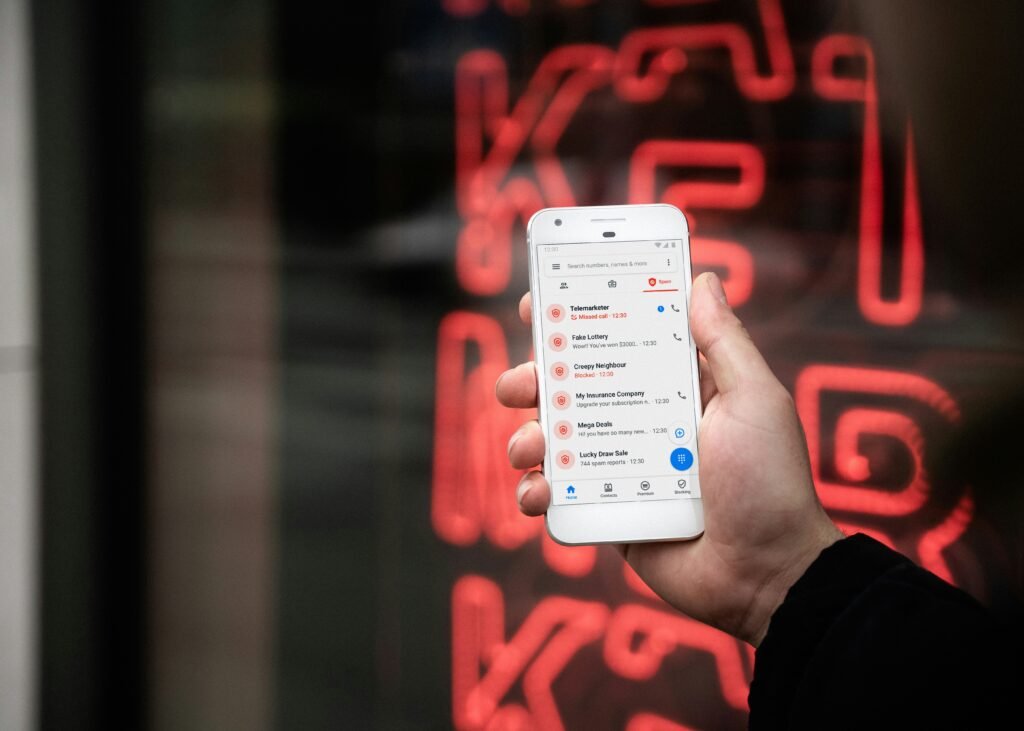
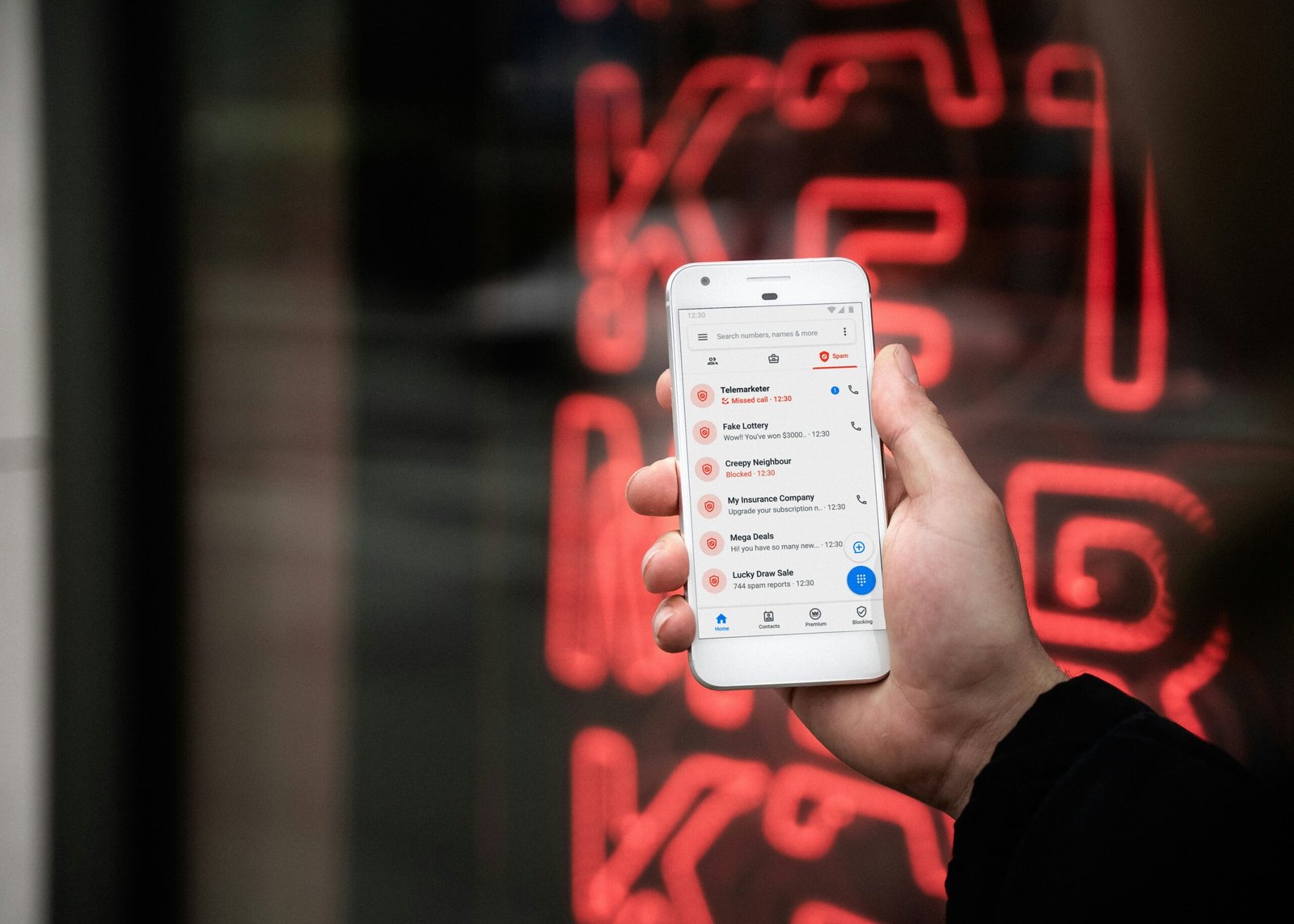
The Indian Government had made Caller Name Presentation (CNAP) mandatory a couple of weeks ago, and telcos have rolled it out officially. This means that if you get a call from a number that’s not saved in your contacts, the phone should display the caller’s official number.
This is different from TrueCaller where the telcos are supposed to display the caller’s true identity as displayed as per the caller’s Government records.
This goes a bit of the distance into helping consumers identify scam callers and choose to ignore calls that are of no value or potentially dangerous. Or from that really annoying relative who’s trying to call you from their new number.
But this does not eliminate the problem for one very simple reason:
It does not work for WhatsApp, Telegram, Messenger or other OTT calls.
CNAP is a network-based service provided by telecom operators that identifies callers during traditional cellular (voice) and fixed-line calls. It does not extend to Over-the-Top (OTT) applications like WhatsApp or Telegram or others.
Maybe one day it will. Maybe.
I don’t pick up WhatsApp calls from unknown numbers – to be on the safe side.
Leave a Reply